Pull up Encino's own market page on a major real estate site and you can find two numbers that argue with each other. One line reports an average sale price near $2.1 million as of early July 2026, up 35.7 percent from a year earlier. A few lines down, the three month rolling median for the period ending in May 2026 sits at $1.7 million, up a comparatively modest 6.9 percent. Same neighborhood. Same source. Nearly half a million dollars apart.
That gap is not a typo, and it is not market chaos. It is the fingerprint of a neighborhood that behaves like two neighborhoods wearing one name.
The boulevard is the actual dividing line
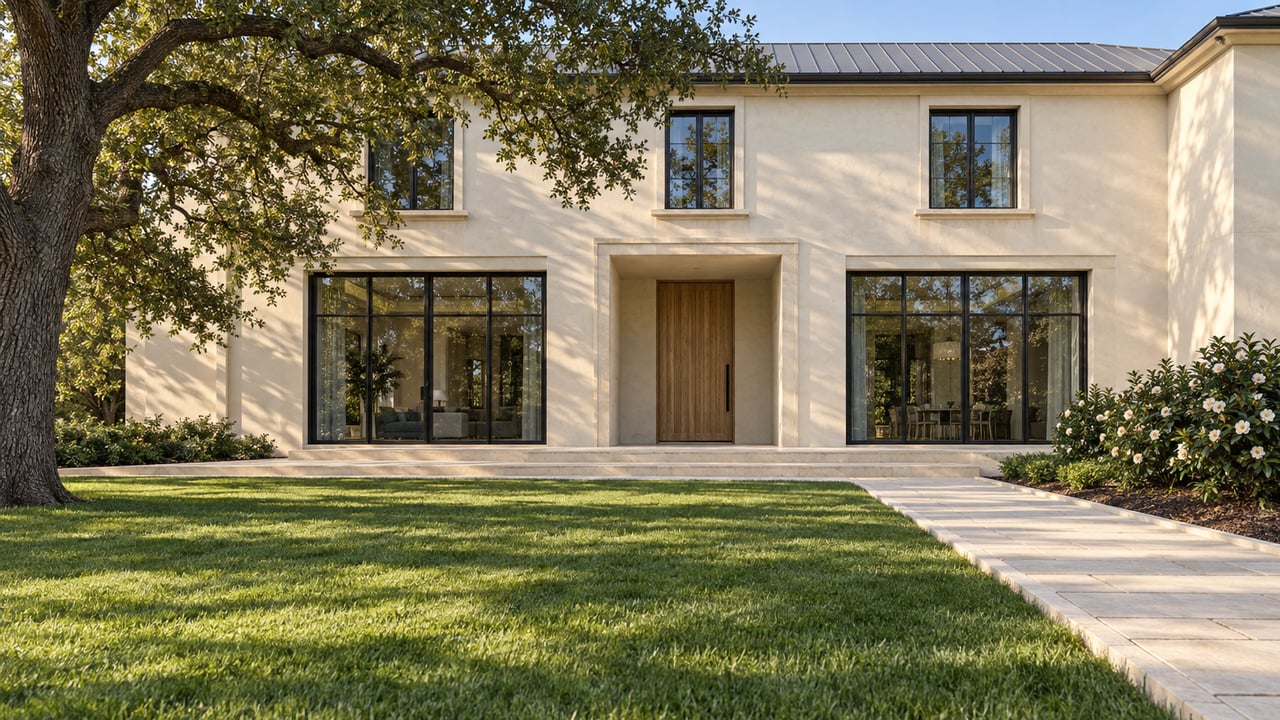
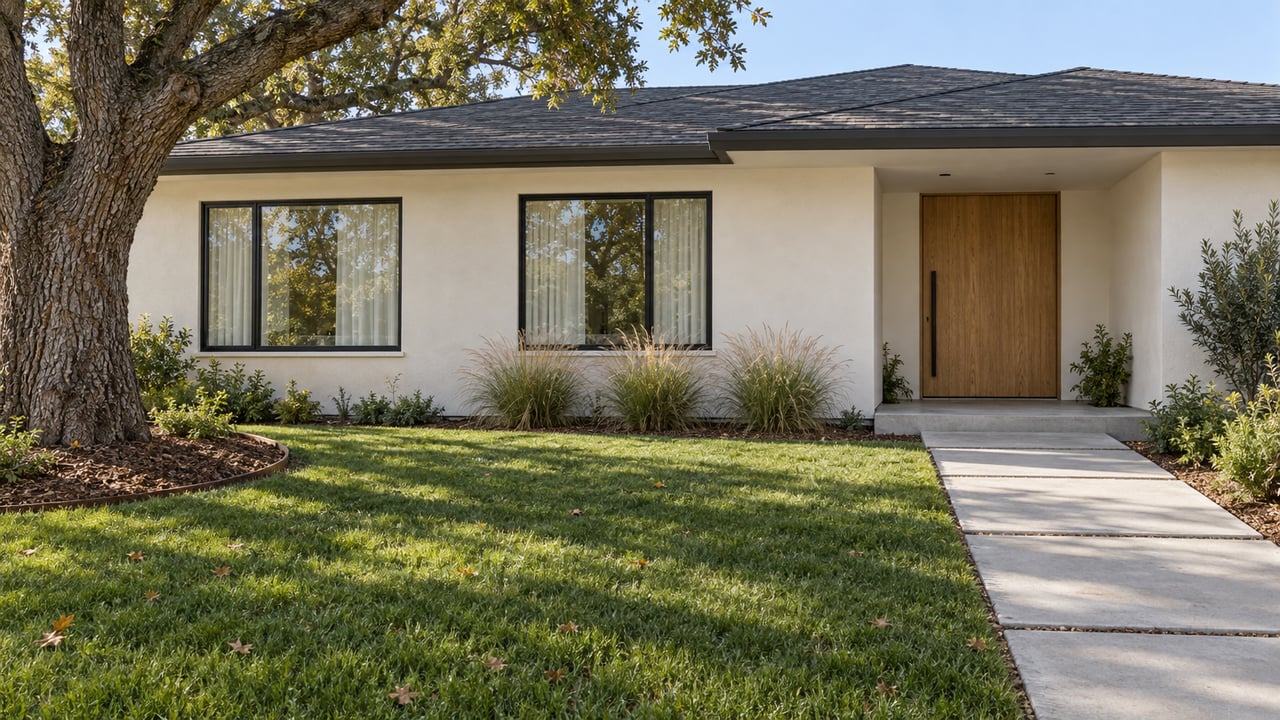
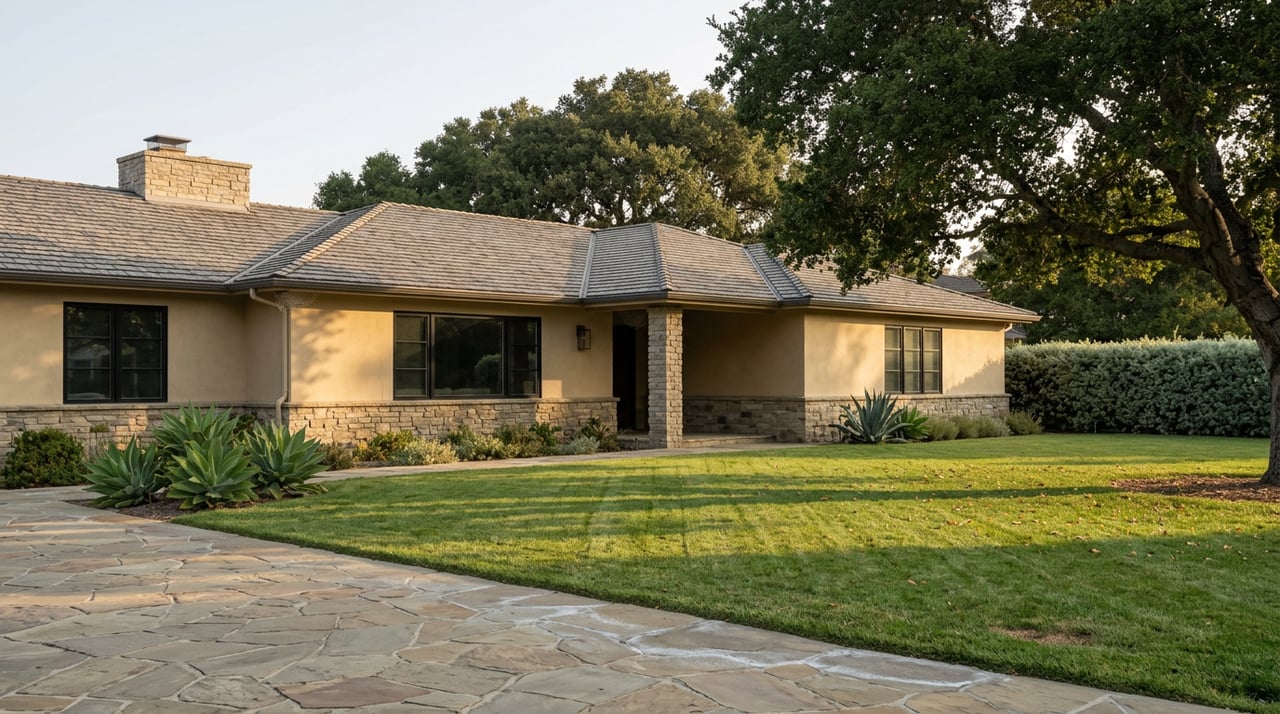
Encino's zip codes roughly track a physical feature: Ventura Boulevard. North of it, the 91316 flats stretch toward the Sepulveda Basin in a grid of postwar ranch homes, newer condos, and townhomes. South of it, the land rises into hillside estate pockets like Royal Oaks, where gated driveways, mature oaks, and half-acre-plus lots are the norm rather than the exception.
The two sides do not just look different. They price differently, and the gap is large enough to change how a published median should be read. As of early August 2026, RealtyTrac's trailing twelve month figures show a median sale price of $1,134,793 in 91316 across 427 recorded sales. In 91436, the trailing twelve month median is $2,597,000 across 222 sales. That is more than double.
When a single blended figure for "Encino" gets published, it is a blend of two distributions that barely overlap in the middle. Depending on which handful of homes closed in a given month, the reported median can swing hard in either direction, even though nothing about the underlying market actually changed. That is the mechanism behind the average-versus-median gap on the same market page: a few high hillside closings in one month pull the average up sharply, while the median, which just finds the middle-ranked sale, moves less. Change the mix of closings the following month and both numbers move again, sometimes in opposite directions.
Two markets, one zip sweater
| North of Ventura (91316 flats) | South of Ventura (91436 hills and premium flats) | |
|---|---|---|
| Trailing 12-month median | $1,134,793 | $2,597,000 |
| Sales recorded (trailing 12 months) | 427 | 222 |
| Typical housing stock | Postwar ranch homes, condos, townhomes | Custom estates, renovated mid-century homes, new construction |
| Lot character | Smaller, flatter parcels | Larger parcels, often a half acre or more |
| Named pockets | Streets closer to the Ventura corridor and Sepulveda Basin | Royal Oaks, anchored by Royal Oak Road |
| School context | Feeds a mix of LAUSD options | Overlaps with the Lanai Road Elementary attendance boundary |
Figures reflect RealtyTrac's trailing twelve month data pulled in early August 2026. Attendance boundaries shift and should be confirmed directly with the school district for any specific address.
The table looks like a clean line, but the market does not actually respect it. On August 3, 2026, a three bedroom, three bath home on Alonzo Avenue in 91316, the flats side, closed at $2,061,500 on 2,291 square feet. That single sale sits comfortably inside 91436 hills territory even though the address is on the wrong side of the line for that story. Lot size, condition, and specific street mattered more than the zip code printed on the listing.
That overlap is the real lesson. The boulevard sets a strong tendency, not a wall. A flats property with a rebuilt kitchen and a usable yard can out-price a dated hillside home that needs work. Treating 91316 as automatically affordable and 91436 as automatically out of reach means missing both the flats outlier that costs hills money and the hills property that a seller has priced to move.
Why the blended number gets used anyway
A single citywide median is easy to put in a headline, and that is exactly why it shows up in listing descriptions and market commentary more often than the split does. A seller marketing a well-kept 91316 flats home has an incentive to let a buyer's mental anchor sit at the higher, blended Encino number rather than the more accurate flats-specific figure. A buyer touring the hills can just as easily be anchored the other way, mistaking a hillside estate's price for high relative to "Encino" when it is priced correctly for its actual pocket.
Neither use is dishonest. The blended median is a real, calculated number. It just answers a different question than the one most buyers and sellers are actually asking, which is closer to "what does a home like this, on this side of the boulevard, in this condition, actually sell for right now." Getting to that answer means pulling comparable sales from the specific pocket and recent window, not reading the neighborhood-wide figure off a portal's homepage.
What this means if you are comparing Encino to another neighborhood
Buyers weighing Encino against Sherman Oaks or Tarzana often start with the citywide median, which can make Encino look uniformly more expensive than it is at the flats level, or uniformly more attainable than it is once a hillside lot with a view enters the picture. The more useful comparison happens one tier at a time: flats-to-flats, estate-to-estate, current listing to a truly comparable recent close on the same side of the boulevard. Skipping that step is how a buyer ends up either overpaying for a flats home priced off hills expectations, or walking away from a hillside property that was never in the flats price range to begin with.
FAQ
Does living south of Ventura Boulevard always mean paying more? Usually, but not automatically. The RealtyTrac trailing twelve month medians show 91436 running well above 91316, and that reflects real differences in lot size and home type. Individual sales still cross the line in both directions, which is why a specific comparable sale matters more than the zip code alone.
Is a 91316 flats home automatically a bargain compared to the hills? Not by default. A flats home in strong condition on a good lot can price close to entry-level hillside numbers. The August 2026 Alonzo Avenue sale at just over $2 million in 91316 is one example of that overlap.
How should I use a published median when I am comparing Encino to somewhere else? Treat it as a starting point, not an answer. Ask which pocket, which side of the boulevard, and which recent closings the figure is built from before using it to judge whether a specific home or a specific neighborhood fits your budget.
Numbers alone will not tell you which side of Ventura Boulevard fits your search, or whether a specific listing is priced to its pocket or to the headline. That reading takes someone who works the comparable sales street by street rather than zip code by zip code. If you are trying to make sense of what a home in Encino, or any of the neighborhoods along it, actually costs once the blended numbers are set aside, Lynna Hall is glad to walk through the comps with you. Let's Connect.